







Build a Career in the Industry That Keeps India Moving

India’s supply chains are becoming faster, more organised, more digital, and more important to business growth. The School of Supply Chain prepares students for practical careers in logistics, warehousing, inventory, procurement support, transport coordination, and business operations through structured, job-linked learning.

Program Overview

Why Supply Chain Is Becoming a Bigger Career Opportunity in India

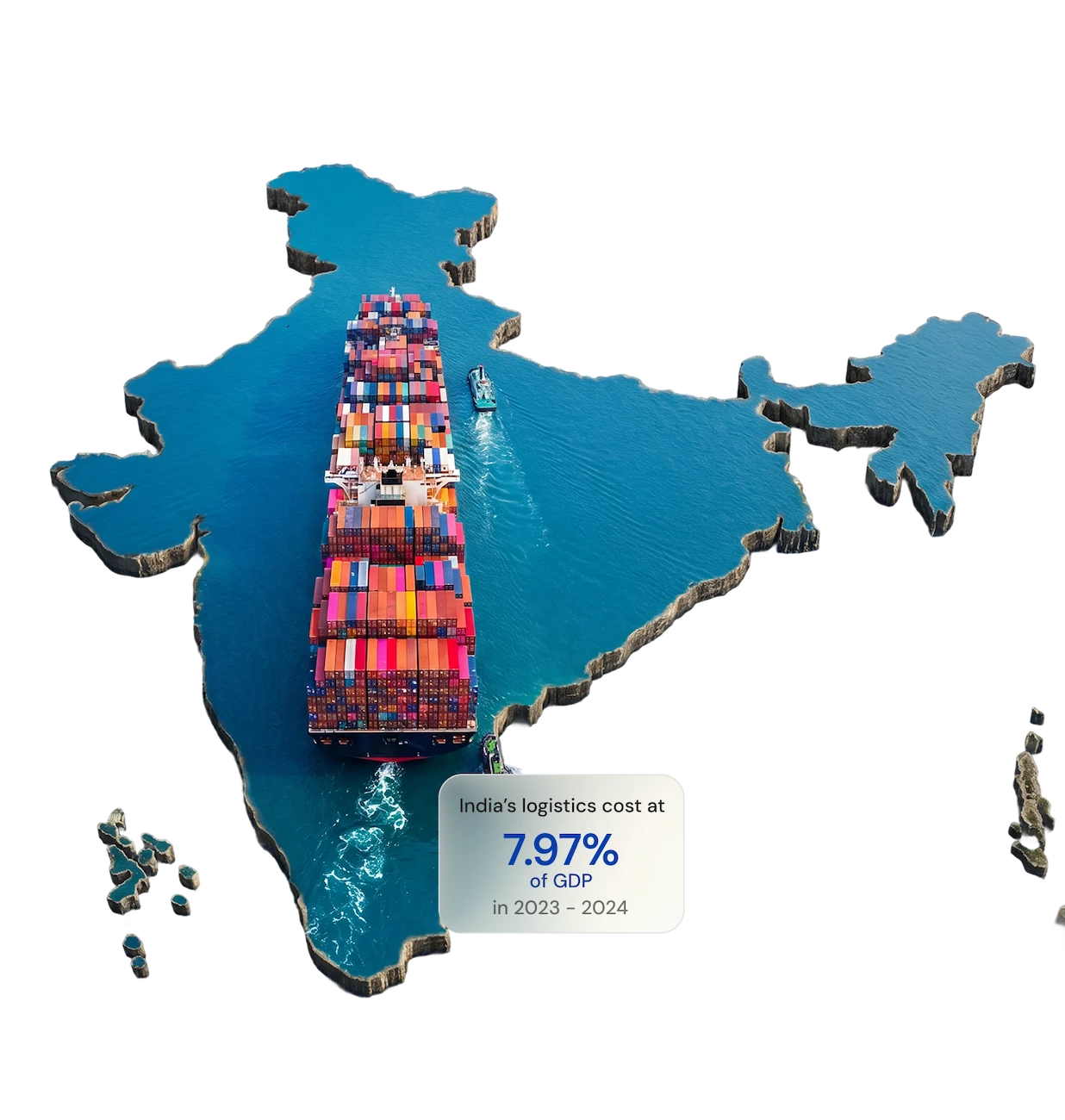
Supply chain is no longer a background function. It is now central to how India manufactures, stores, moves, sells, and exports. The government’s logistics push has started changing the sector at scale. A DPIIT–NCAER study placed India’s logistics cost at 7.97% of GDP in 2023–24, and official updates say Indian Railways has approved 306 Gati Shakti Cargo Terminals, with 118 already commissioned, backed by about ₹8,600 crore in private investment. That means more freight movement, more cargo handling, more warehousing, more distribution activity, and more organised operational jobs.

This growth is also visible in warehousing. IBEF reported that India’s Grade A warehousing stock is expected to cross 300 million sq. ft. by 2025, up from 216 million sq. ft., with 3PL players contributing 27% of demand. That matters because organised logistics growth creates demand for trained people who can work with inventory, warehouses, dispatch, systems, documentation, and coordination.

This is why supply chain is worth considering seriously. It sits at the intersection of trade, infrastructure, manufacturing, retail, e-commerce, and exports. It is a field with visible entry roles, operational relevance, and room to grow.

7.97%

India’s logistics cost as % of GDP (DPIIT–NCAER)

306

Gati Shakti Cargo Terminals approved

118

Already commissioned

₹8,600 crore

Private investment backing

300M sq. ft.

Grade A warehousing stock target (2025)

27%

3PL share of warehousing demand

— CAREERS ROLES & SALARY

Real Job Roles. Real Work. Real Progression.

The School of Supply Chain is built around roles that companies actually hire for in logistics, warehousing, procurement, inventory, and transport operations.

ENTRY-LEVEL ROLES YOU'LL BE READY FOR

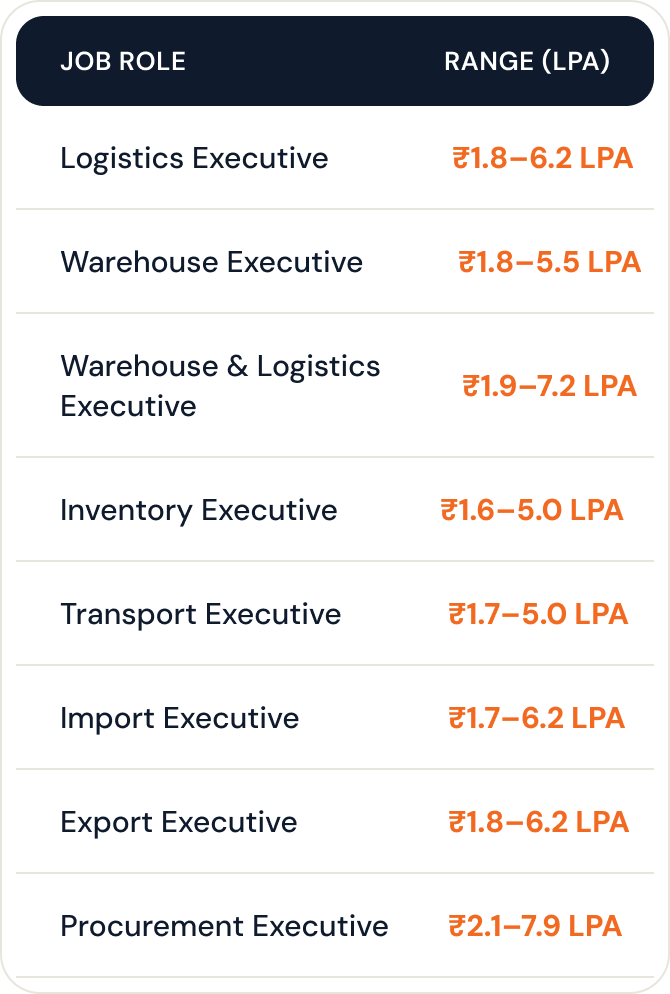
INDICATIVE SALARY RANGES

*Indicative ranges based on publicly available market data. Actual offers vary by employer, location, and candidate profile.

Growth path

Begin in execution roles and grow into specialist, supervisory, and managerial tracks across design, merchandising, store operations, quality, buying, and category roles.

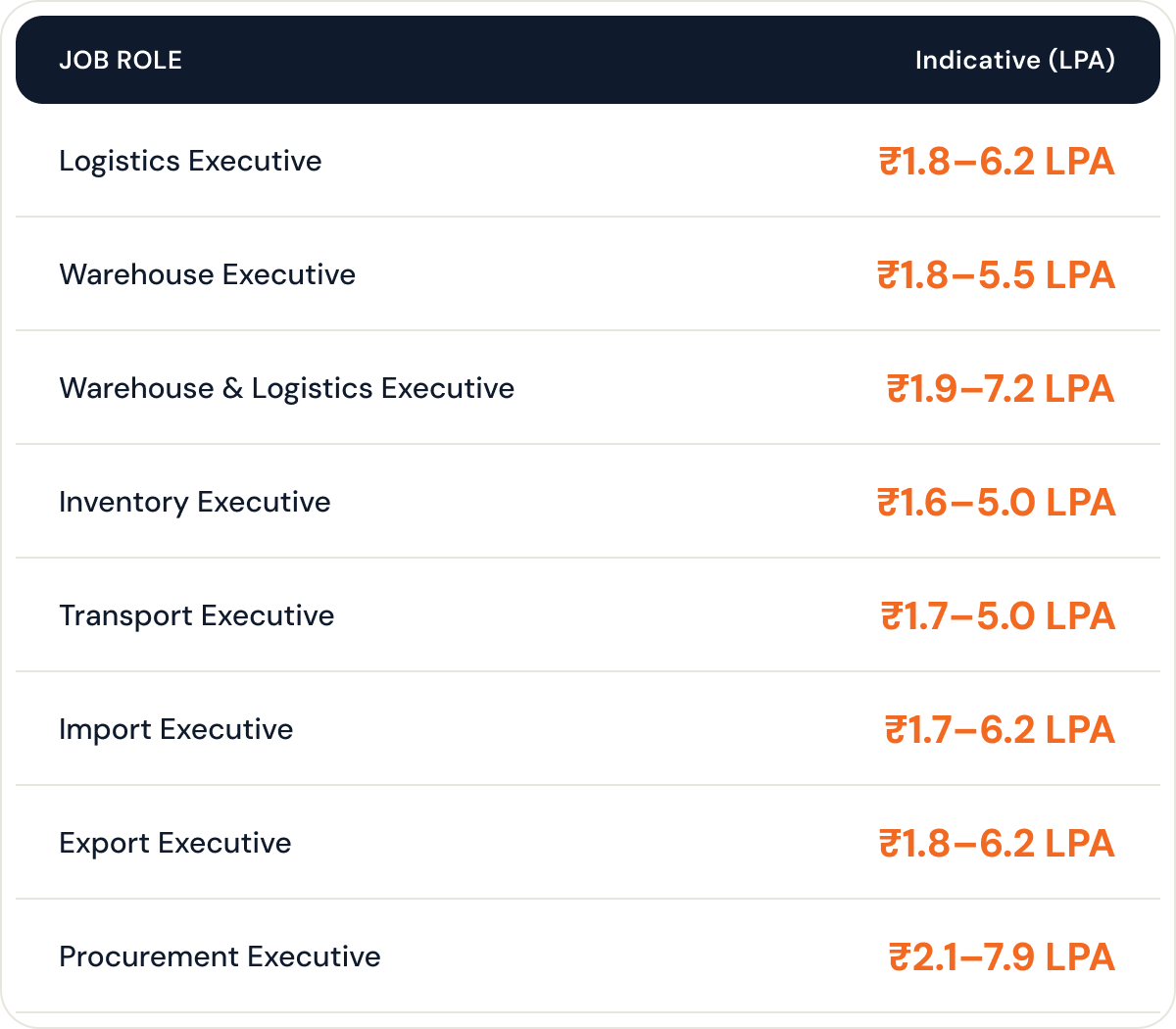
INDICATIVE SALARY RANGES

*Indicative ranges based on publicly available market data. Actual offers vary by employer, location, and candidate profile.

How the career path can grow

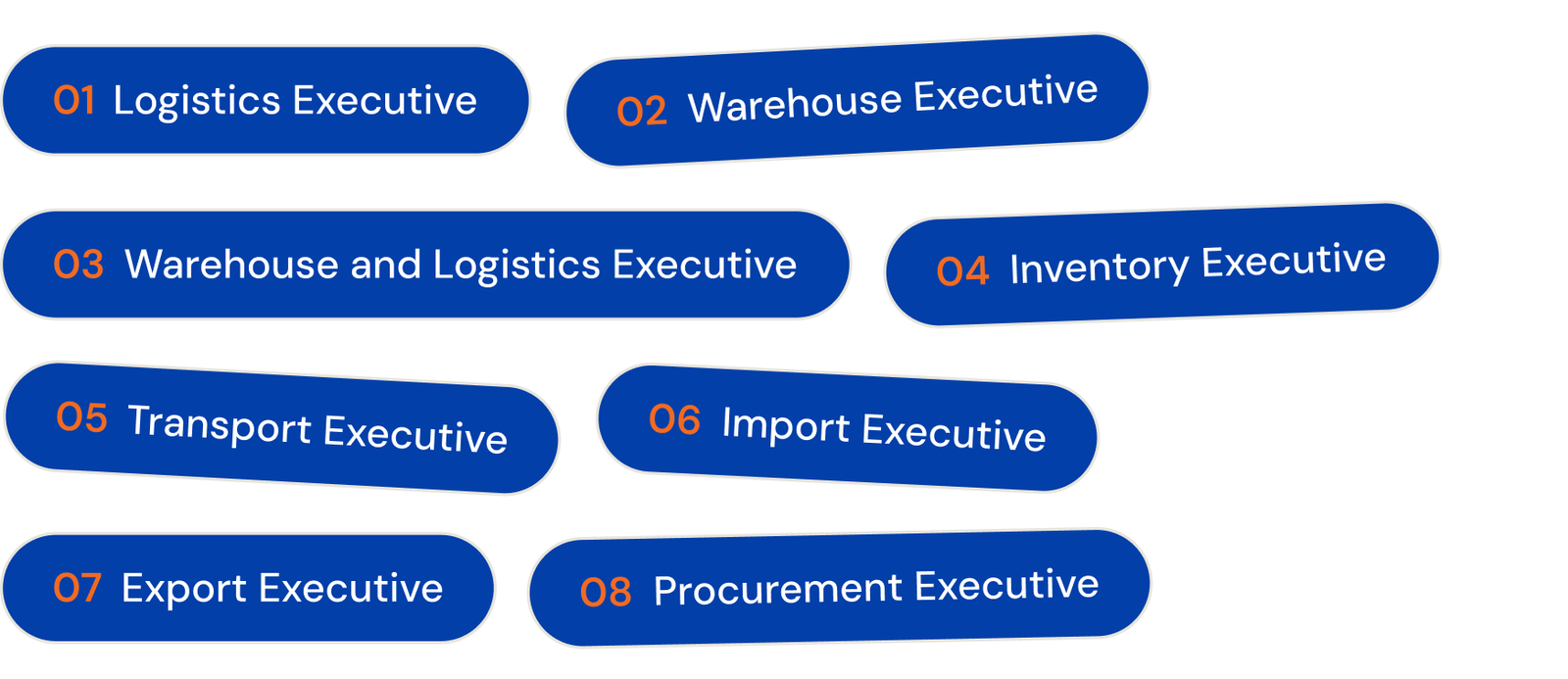
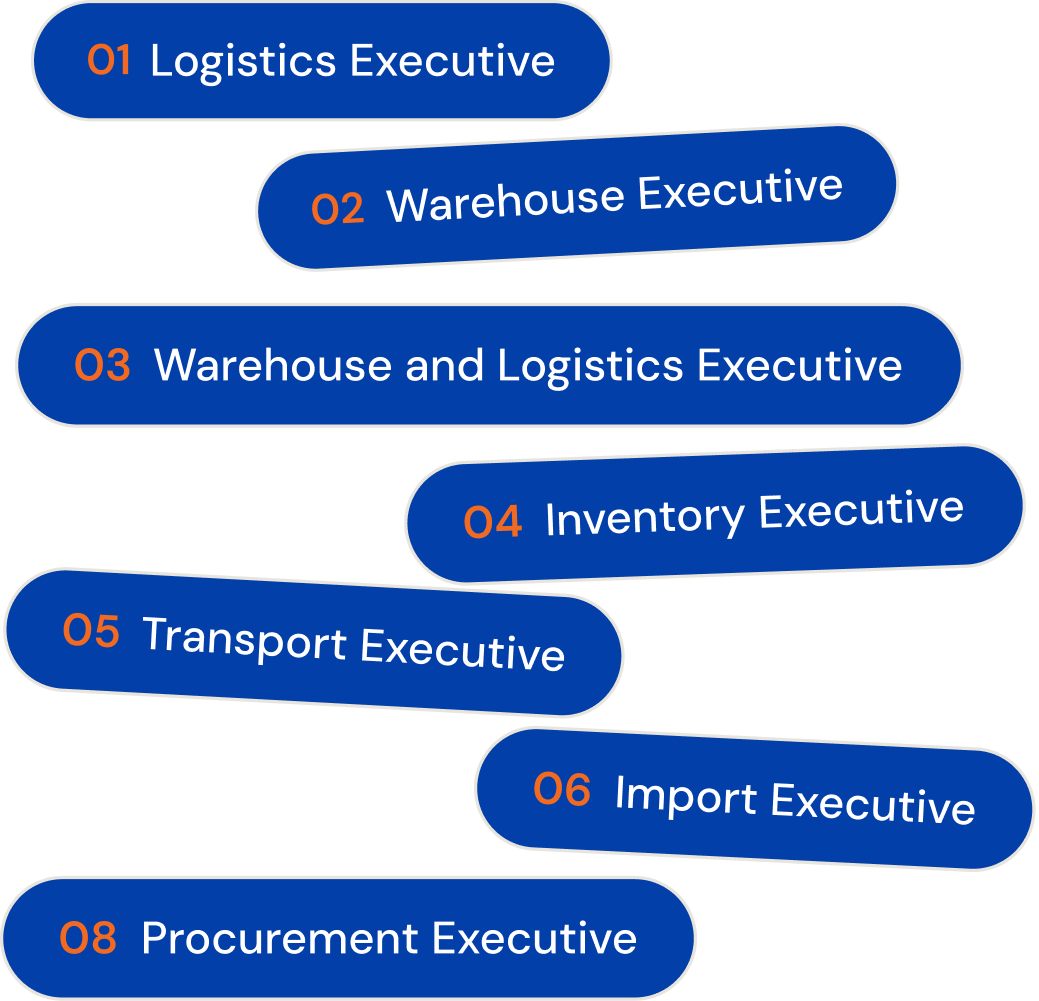
A student may begin in an execution role such as warehouse executive, logistics executive, inventory executive, transport executive, or documentation support. With stronger process knowledge, systems exposure, and workplace performance, the next layer can include roles such as warehouse supervisor or inventory controller. Over time, the field can progress into broader operations and supply chain management roles. Current India salary data shows Warehouse Supervisor at about ₹1.5–7 LPA, Inventory Controller at about ₹1.5–10 LPA, and Supply Chain Manager at about ₹3.6–30.1 LPA depending on experience and scale.

Why this matters
This page is not promising instant senior roles. It is showing something more useful: a field where students can enter through practical operational jobs and then build upward through responsibility, systems exposure, and experience.

— CAREERS ROLES & SALARY

Who Should Consider the School of Supply Chain

This school is designed for students who want a career path that is practical, structured, and directly linked to how businesses function.

It is a strong fit for:

Students after Plus Two who want a serious job-oriented route

Graduates who want to convert a general degree into employability

Students who like systems, coordination, operations, and process-driven work

Learners who want a field with visible business relevance

Parents looking for a more grounded and ROI-led career decision

Not sure which role fits you?

Talk to our career counselors and find the pathway that matches your interests, strengths, and goals.

— CURRICULUM

What Students Learn in the School of Supply Chain

This school is built around the logic of how modern supply chains actually work. Students are introduced to the core areas that sit behind business movement, inventory control, sourcing, warehousing, and delivery.

The learning focus includes:

Supply chain fundamentals and end-to-end flow

Demand planning and forecasting basics

Sourcing and procurement support

Inventory planning and stock control

Warehousing operations

Transport and distribution coordination

Forward and reverse logistics

Supplier and customer relationship basics

Process discipline, reporting, and risk awareness

Optimisation, sustainability, and technology in supply chains

These focus areas closely reflect the structure of ASCM’s CSCP body of learning, which includes demand management and forecasting, global supply chain networks, sourcing, internal operations and inventory, logistics, supply chain relationships, risk, and optimisation

— SKILLS

Skills That Employers
Value in Supply Chain Roles

Students do not only learn concepts. They build job-facing skills that matter in day-to-day operational work.

The skill-building focus includes:

This direction is aligned with what the APICS operations body of knowledge treats as central to supply chain and operations work: distribution, warehousing, logistics, strategic sourcing, ERP, inventory, forecasting, scheduling, WMS, risk, and continuous improvement.

— HOW YOU'LL LEARN

How Learning Works at India Learns

The School of Supply Chain uses a structured delivery model designed to improve both understanding and workplace readiness.

The idea is simple:

students should not leave with only theoretical awareness. They should leave with clearer role understanding, stronger service confidence, and better readiness for entry-level work.

Concept-led classroom teaching

Students learn core supply chain and logistics concepts in a clear and structured classroom environment.

Practical examples from logistics and warehouse operations

Real industry examples help students understand how logistics and warehouse operations work day to day.

Applied assignments and process-based exercises

Students complete practical tasks and role-based activities to build confidence and workplace skills.

Expert-led sessions that connect learning to actual industry practice

Industry-focused sessions connect classroom learning with real supply chain practices and expectations.

Digital learning support for continuity and reinforcement

Online learning support helps students revise, continue learning, and strengthen their understanding.

Assessments that focus on capability, not just recall

Assessments are designed to test practical understanding and skill application, not just memory.

— CAREER READINESS

Career Preparation Is Built Into the Journey

Technical knowledge alone is not enough. Supply chain employers also value communication, coordination, problem solving, and the ability to work across functions.

01

Workplace communication

Students learn how to communicate clearly and professionally in a work environment.

02

Business English support

Basic business English support helps students speak, write, and respond with more confidence.

03

Interview readiness

Students are prepared to face interviews with better confidence, clarity, and presentation.

04

Resume support

Guidance is provided to create a clear and professional resume for entry-level opportunities.

05

Role awareness

Students understand the responsibilities, expectations, and daily tasks of supply chain roles.

06

Exposure to how companies hire for operational roles

Students learn how companies look for candidates in operational and supply chain-related roles.

This matters even more because the future of supply chain is not purely manual or purely technical. Korn Ferry’s 2024 supply chain leadership analysis highlights the growing importance of end-to-end supply chain understanding, agility, effective communication, data orientation, and cross-functional thinking. Even at the early-career level, students who build these habits start stronger.

—Program highlight

Start with Our Professional Diploma in Logistics and Supply Chain Management

The flagship diploma under this school is designed for students who want a practical pathway into logistics and supply chain roles. It combines domain learning, skill building, workplace preparation, and structured career support.

This is not positioned as another general course. It is designed as a more direct bridge between education and employability.

Choose a Career That Moves with the Economy

India will keep building faster, more connected, more efficient supply systems. Businesses will keep needing people who can manage movement, stock, coordination, documentation, and operations with discipline.

If that is the kind of career direction you want, the School of Supply Chain is a serious place to begin.